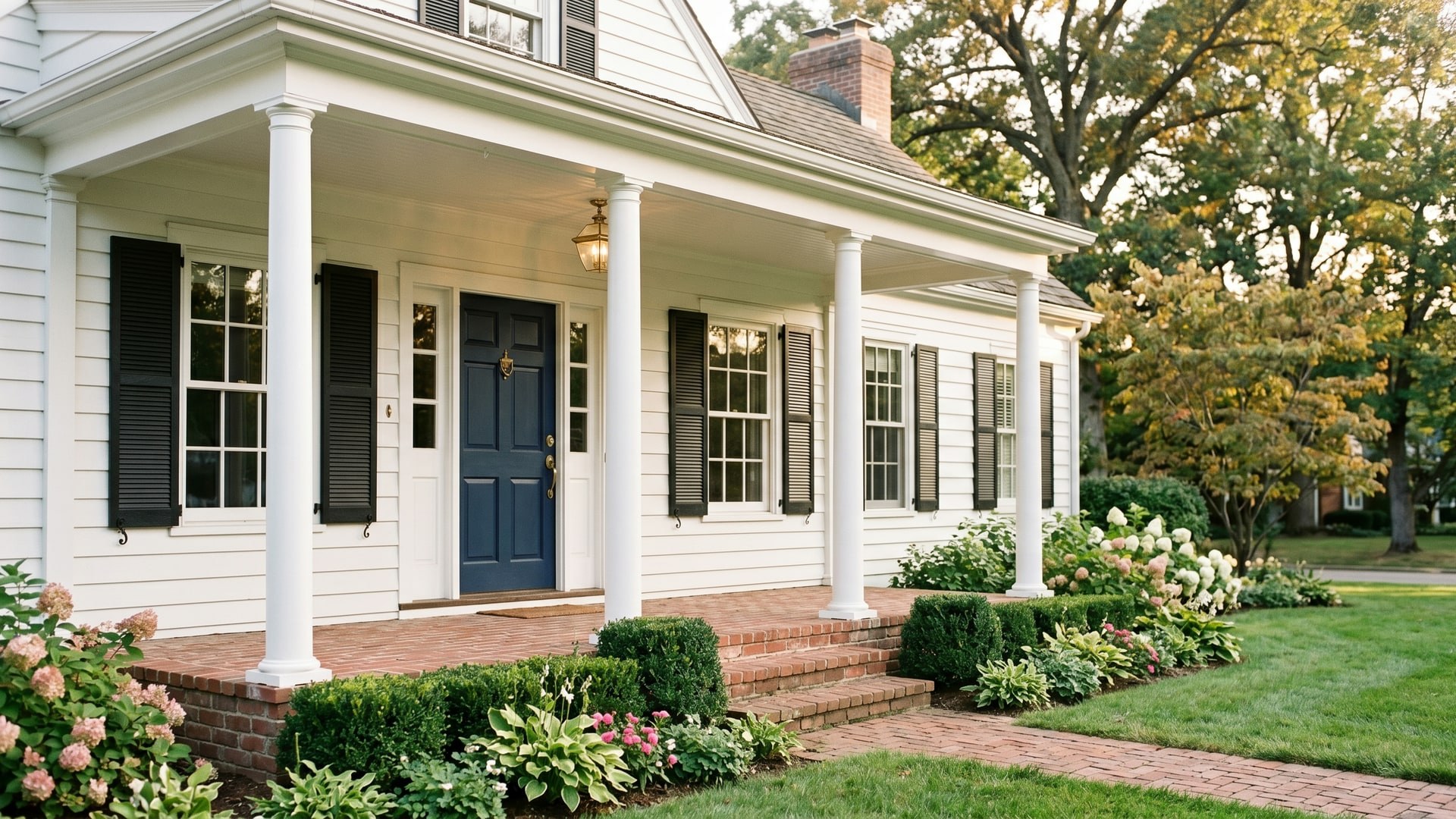
What is a conventional loan?
A conventional loan is a residential mortgage that meets Fannie Mae or Freddie Mac eligibility — also called a "conforming" loan when the loan amount is below the FHFA limit. Conventional loans are not insured or guaranteed by the federal government (unlike FHA, VA, or USDA loans). They use private mortgage insurance (PMI) above 80% LTV instead of an upfront premium and lifetime monthly insurance like FHA.
How much do I need to put down on a conventional loan?
For a 1-unit primary residence: 3% if you are a first-time buyer using a 97% LTV product (HomeReady, Home Possible, or standard 97), 5% if you are a subsequent buyer. For 2–4 unit primaries: 5% (HomeReady/Home Possible) or 15%. For second homes: 10% minimum. For investment property: 15% on 1-unit, 25% on 2–4 unit. The down payment can be a combination of borrower funds, gift funds from a family member, and eligible community-second sources.
When does PMI come off a conventional loan?
Borrower-paid PMI must be removed automatically when the loan reaches 78% of the original LTV via scheduled amortization (federal Homeowners Protection Act of 1998). The borrower can request removal at 80% LTV with a current appraisal showing the home has not lost value. PMI is also removed automatically at the midpoint of the loan term regardless of LTV. Lender-paid PMI (LPMI) is built into the rate and never falls off — the only way out is to refinance.
What is the difference between conforming, high-balance, and jumbo?
Conforming loans are at or below the FHFA loan limit ($832,750 baseline in 2026). High-balance loans are between the baseline limit and the high-cost county ceiling (up to $1,249,125 in 2026 — 150% of the baseline) and are still Fannie/Freddie eligible at slightly higher pricing. Jumbo loans are above the high-cost ceiling and use private (non-agency) underwriting — generally tighter credit and reserve requirements but more flexibility on income documentation. See our jumbo pillar for details.
Can I use a conventional loan to buy an investment property?
Yes. Conventional financing covers up to 10 financed properties per borrower (Fannie cap; Freddie's is similar). Down payment is 15% on a 1-unit non-owner-occupied purchase, 25% on a 2–4 unit non-owner-occupied. Rates are higher than primary-residence rates. Beyond 10 financed properties, DSCR (a non-QM product) is the next step.
What does HomeReady or Home Possible save me?
On a 95% LTV file, the reduced mortgage insurance rate alone typically saves 30–60 bps per year (roughly $25–$50 per month per $100K of loan amount). Plus eligible borrowers receive homeownership-education credit and, in some scenarios, a $2,500 lender grant. The catch is the 80%-of-AMI income cap — high-earners do not qualify.
How does a One-Time Close construction-to-perm loan work?
The borrower closes once, before construction starts. The lender funds the lot purchase (or pays off existing lot debt), then disburses construction draws to the builder as work completes. The borrower pays interest-only on the drawn balance during the construction period (max 11 months). When the home is finished and the certificate of occupancy is issued, the loan modifies to permanent financing — fixed-rate, 15 or 30-year, full P&I — without a second closing or new loan documents (assuming credit and income docs have not aged out).
Can I include a pool, ADU, or detached garage in a One-Time Close loan?
Yes — borrowers can build to whatever specs they and the builder agree on, provided the appraisal supports the as-completed value via comparable sales in the area. Costs above the supported value have to be brought to closing as additional borrower equity. ADUs are eligible but count as a unit on a multi-unit parcel; a primary on a parcel with an ADU cannot exceed 3 units.